Updated
Loan programs / Junior Debt
Junior Debt is an additional-capital option for an existing multifamily property with 5 or more units that already cash flows. Jaken Finance Group reviews whether the asset’s cash flow can support the requested capital alongside its current obligations, and which financing structure fits the existing loan documents.
No email is required for either checklist link.
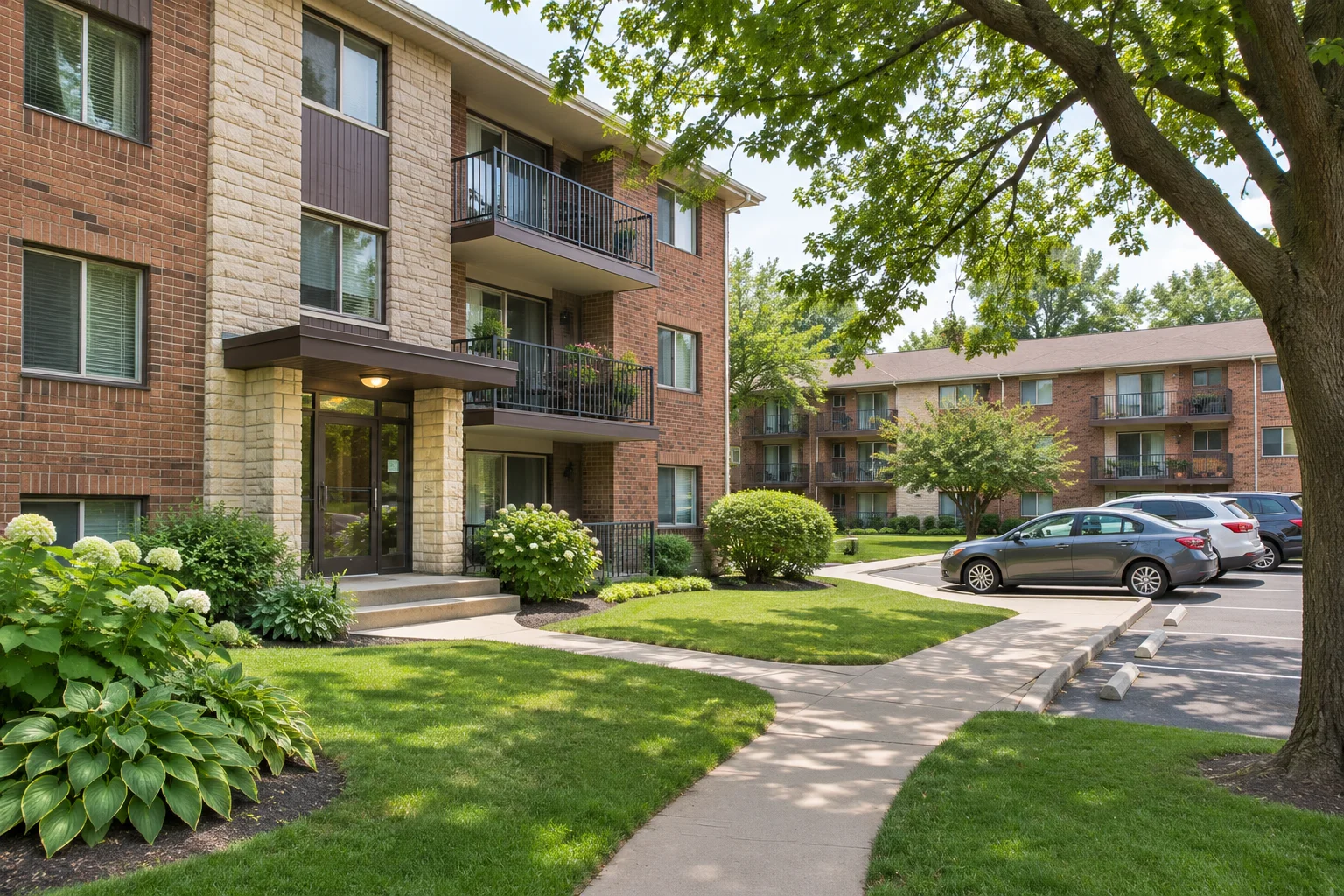
Who this program review is for
This is a starting point for owners and sponsors who:
- Own an existing multifamily property with 5+ units.
- Have an asset that already produces cash flow.
- Need additional capital and can explain its intended use.
- Can provide current operating records and any existing mortgage documents.
The review starts with the property’s current performance. A plan to raise rents or finish renovations can provide context, but the request described here is supported by an asset that already cash flows.
How Junior Debt fits an existing property
Junior debt sits behind senior debt in repayment priority. For an owner with an existing mortgage, the question is whether additional capital can be supported by the property and accommodated by the current financing documents.
We review the existing mortgage statement and note alongside the operating records. The current payment, balance, maturity and restrictions on additional debt help frame the discussion. Existing lender consent may be needed. The appropriate lien position, payment structure and terms are determined through review.
If there is no current debt, mark the two mortgage documents not applicable. We can then review which financing structure fits a debt-free asset.
What the cash-flow review considers
The starting point is the property’s income and expenses over the trailing twelve months, supported by a current rent roll. We look at the operating history together with current debt payments and the proposed additional obligation.
| Review area | What to prepare for discussion |
|---|---|
| Property income | Monthly collected income, occupancy and a current rent roll |
| Operating expenses | Monthly expenses and an explanation of unusual or one-time items |
| Existing obligations | Current mortgage payment, balance and the terms in the mortgage note |
| Additional capital | Amount requested, intended use and how the property would support repayment |
| Sponsor holdings | Current SREO, meaning Schedule of Real Estate Owned |
A review is required to determine eligibility, financing structure and terms. Underwriting considers the proposed financing alongside existing obligations. The OCC’s commercial real estate lending handbook provides general background on income-producing property underwriting; Jaken Finance Group’s structure and terms are reviewed for the individual request.
Initial five-document checklist
- T12 broken out monthly (Excel) — trailing twelve months of property income and expenses, with each month shown separately.
- Rent roll — current and dated, showing units, rents and occupancy.
- Mortgage statement (if there is debt) — current statement for existing property debt; otherwise mark not applicable.
- Mortgage note (if there is debt) — the note for existing property debt; otherwise mark not applicable.
- SREO — current Schedule of Real Estate Owned for the sponsor.
Use the interactive Junior Debt checklist to track the packet, or download the branded PDF directly. Both are free and ungated. This is the initial packet; additional information may be requested during underwriting.
How to request a Junior Debt review
- Describe the property and request. Include the property address, unit count, additional capital needed and intended use of proceeds.
- Prepare the five documents. Use monthly operating history in Excel, a dated rent roll and current debt records where applicable.
- Submit a commercial loan request. Identify the scenario as Junior Debt for a cash-flowing multifamily property with 5+ units.
- Review the proposed structure and terms. The property cash flow, existing obligations and current loan documents guide the discussion.
Terms are quoted after review
Loan amount, pricing, leverage, repayment structure and timing depend on the file. Provide the operating history and existing mortgage information so the discussion is based on the asset’s actual cash flow and obligations.
For other multifamily financing needs, compare 5+ unit multifamily bridge loans, 5–10-unit multifamily DSCR loans and 10+ unit multifamily financing. To organize the property’s income and expense analysis, see the five-unit multifamily underwriting guide.