Funding examples
Real estate funding examples
Follow the cash from acquisition to exit. Each funding example includes a property illustration, a complete cost model and an editable calculator. Change the budget, financing, timeline or rent to see what happens to required cash and the eventual sale or refinance.
These are worked planning examples, with their assumptions shown. They are not a loan quote or a promise of investment performance. Compare the current loan programs when preparing a real property request.

Buy → renovate → sell
Fix & flip
Explore the funding example
Buy → rehab → rent → refinance → repeat
BRRRR: rehab + refinance
Explore the funding example
Purchase → lease → hold
DSCR rental purchase
Explore the funding example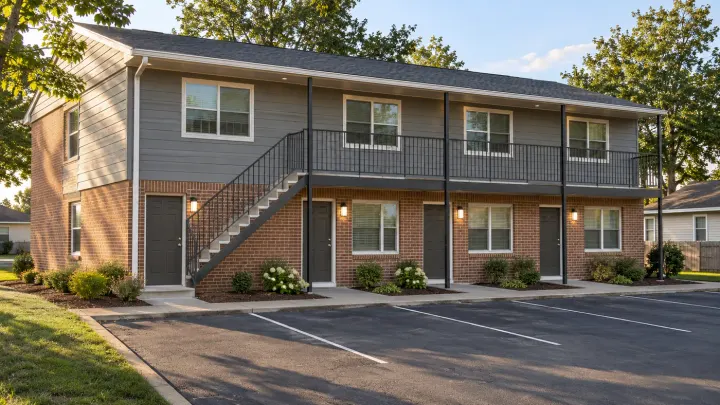
Acquire land → build → lease → refinance
5-unit build + refinance
Explore the funding example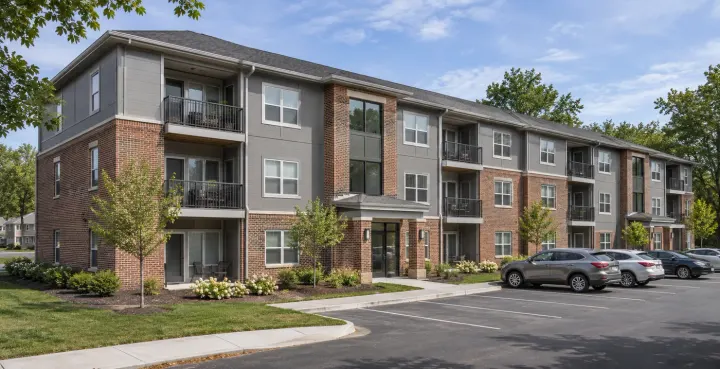
Acquire land → build → lease → refinance
30-unit build + refinance
Explore the funding example
Review leases → underwrite NOI → refinance
Multi-tenant NNN refinance
Explore the funding exampleChoose the example that matches your exit
A sale and a refinance answer different questions. A flip needs enough net sale proceeds to repay debt, return the owner’s cash and leave a profit after transaction costs. A rental refinance needs a property that supports the permanent loan payment and still leaves an operating cash cushion.
The fix-and-flip example includes selling costs and a sale closing. The BRRRR example follows both the renovation loan and the rental refinance. The stabilized DSCR purchase begins with a down payment and tracks twelve full months of operations. The five-unit and thirty-unit construction examples add a complete development budget, staged funding and a stabilized apartment pro forma.
The commercial example starts with a four-tenant rent roll. Tenant reimbursements, property expenses, owner obligations and leasing reserves are separated so the NNN label does not hide a cost. The old loan payoff and refinancing fees appear in the closing waterfall.
Read the cash requirement before the headline return
Project loans do not necessarily release the full commitment at closing. The construction and renovation examples assume work is paid before a month-end loan reimbursement. Their monthly schedules show the gap between costs incurred and loan draws. The peak liquidity requirement adds retained cash reserves to that temporary funding need.
A contingency assumed spent on work is a project cost. An unspent liquidity reserve is available cash. The models keep the two separate to avoid counting the same dollars twice. Sale profit excludes retained reserves, while the funding requirement includes them.
Test the exit before committing to the bridge
Refinance examples apply both value and debt-coverage limits. They deduct the existing principal payoff, new loan costs and the entered old-loan prepayment charge. If the result is negative, the owner must contribute additional cash. A higher appraised value does not automatically remove an income constraint.
Try a lower rent, a higher permanent rate, a smaller sale price or a longer project timeline. Then compare the result with lender-approved terms and documents. You can also use the full calculator directory or submit a property scenario for review.