Stabilized three-bedroom rental
DSCR Rental Purchase Funding Example
Purchase → lease → hold
Purchase a stabilized $300,000 rental with $3,000 in scheduled monthly rent. The example sizes a permanent loan from the lower purchase/value basis and rent coverage, includes the down payment and closing costs, and follows the first full year of operations.
By Jaken Finance Group ·
Edit this funding example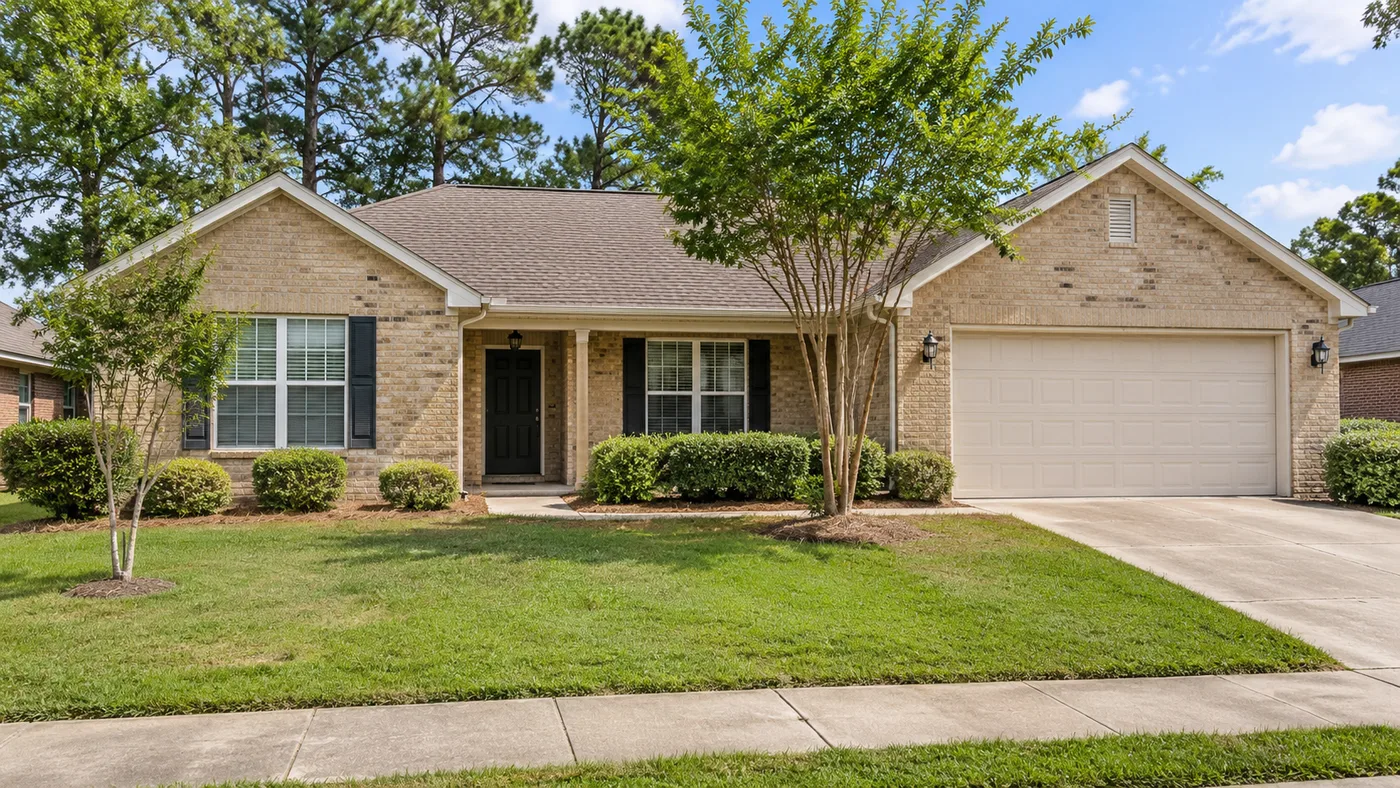
How this funding example works
The starting calculation follows the assumptions described above. Change inputs in the calculator to explore your own numbers. All rates, leverage, rents, cap rates and fees are planning assumptions; they do not establish an offer, appraisal or loan eligibility.
Separate the down payment from the cash to close
A purchase with a 75% loan-to-value assumption starts with a 25% down payment only if the value and rent tests both permit that loan. Loan origination, title and recording, third-party review and other purchase closing expenses add to that cash requirement. The reserve stays in the owner’s account and is listed separately.
The calculator uses the lower of purchase price and the entered appraised value. Raising the appraisal above the contract price therefore does not automatically create a larger acquisition loan. If rent coverage is tighter, the modeled loan shrinks and the required down payment grows.
Make the example your own
Edit the deal. See the cash change.
Change any assumption to update the loan sizing, cash requirement and exit. Starting values are planning assumptions; actual terms require property and borrower review.
Starting example shown below. Inputs update automatically when JavaScript is available.
- Modeled purchase loan
- $225,000
- Cash required, including unspent reserve
- $98,025
- Monthly owner cash flow
- $237
- Rent ÷ PITIA
- 1.44×
| Purchase price | $300,000 |
|---|---|
| Loan proceeds | $225,000 |
| Down payment | $75,000 |
| Loan origination fee | $3,375 |
| Other purchase closing costs | $6,000 |
| Initial escrow / lender reserve funding | $1,650 |
| Cash used at closing, including escrow funding | $86,025 |
| Unspent liquidity reserve | $12,000 |
| Total cash required | $98,025 |
| Lower purchase/appraisal value basis | $300,000 |
|---|---|
| Value-based loan ceiling | $225,000 |
| Rent-coverage loan ceiling | $285,850 |
| Monthly principal and interest | $1,535 |
| Monthly taxes, insurance and HOA | $550 |
| Monthly PITIA | $2,085 |
| Scheduled annual rent | $36,000 |
|---|---|
| Collected rent after vacancy | $34,200 |
| Management | $2,736 |
| Repairs allowance | $1,800 |
| Capital replacement allowance | $1,800 |
| PITIA | $25,019 |
| Annual cash flow before owner income taxes | $2,845 |
| Cash-on-cash on total cash required | 2.9% |
| Loan balance after 12 payments | $222,822 |
| First-year principal reduction | $2,178 |
Results round to whole dollars; calculations retain unrounded amounts. Retained liquidity is not a spent project cost. Initial escrow funding reduces cash available at closing and remains an asset, separate from fees. Negative cash remaining in the deal means refinance proceeds exceed cash spent; those proceeds are borrowed money. Income taxes, tax benefits and ownership distributions are excluded. The entered amortization is separate from loan maturity and the fixed-rate period.
Coverage is different from spendable rental income
The residential coverage ratio divides scheduled monthly rent by PITIA. The property can pass that screen while leaving a smaller amount for the owner after vacancy, management, repairs and a capital replacement allowance. Read the operating pro forma alongside the coverage result.
Management is charged against collected rent after vacancy. Repairs and capital replacement allowances are percentages of scheduled rent. Taxes, insurance and HOA are already included in PITIA and are not deducted a second time. Change those inputs to match an actual property manager’s budget.
Read the first year without assuming appreciation
The first-year section models twelve full payments and twelve months of rental operations. Principal reduction is shown separately from cash flow. It is not money received in the bank, and the example does not add assumed appreciation to the return.
Cash-on-cash uses annual cash flow divided by all initial cash required, including the retained liquidity reserve. That denominator makes the reserve commitment visible. Income taxes, depreciation benefits, future sale costs and future refinance costs are outside this hold-period calculation. Add those to a longer-term ownership analysis before comparing exits.
What to verify for a real property
- Actual reserves and coverage requirements depend on the program, borrower and property.
- A vacancy allowance is a planning assumption, not a guarantee of occupancy.
- The first year assumes the rental is ready at acquisition; add a separate make-ready budget and lost rent for a vacant property.
Use the published program parameters as the starting program reference. The OCC commercial real estate lending handbook provides general background on development and income-property lending risks; it does not set Jaken Finance Group’s terms.
Related financing and planning tools
Bring the address, budget, current operating records and intended exit to the review. Request financing for your property.
Explore another funding example
Buy → renovate → sell
Fix & flip
Explore the funding example
Buy → rehab → rent → refinance → repeat
BRRRR: rehab + refinance
Explore the funding example
Acquire land → build → lease → refinance
5-unit build + refinance
Explore the funding example
Acquire land → build → lease → refinance
30-unit build + refinance
Explore the funding example
Review leases → underwrite NOI → refinance