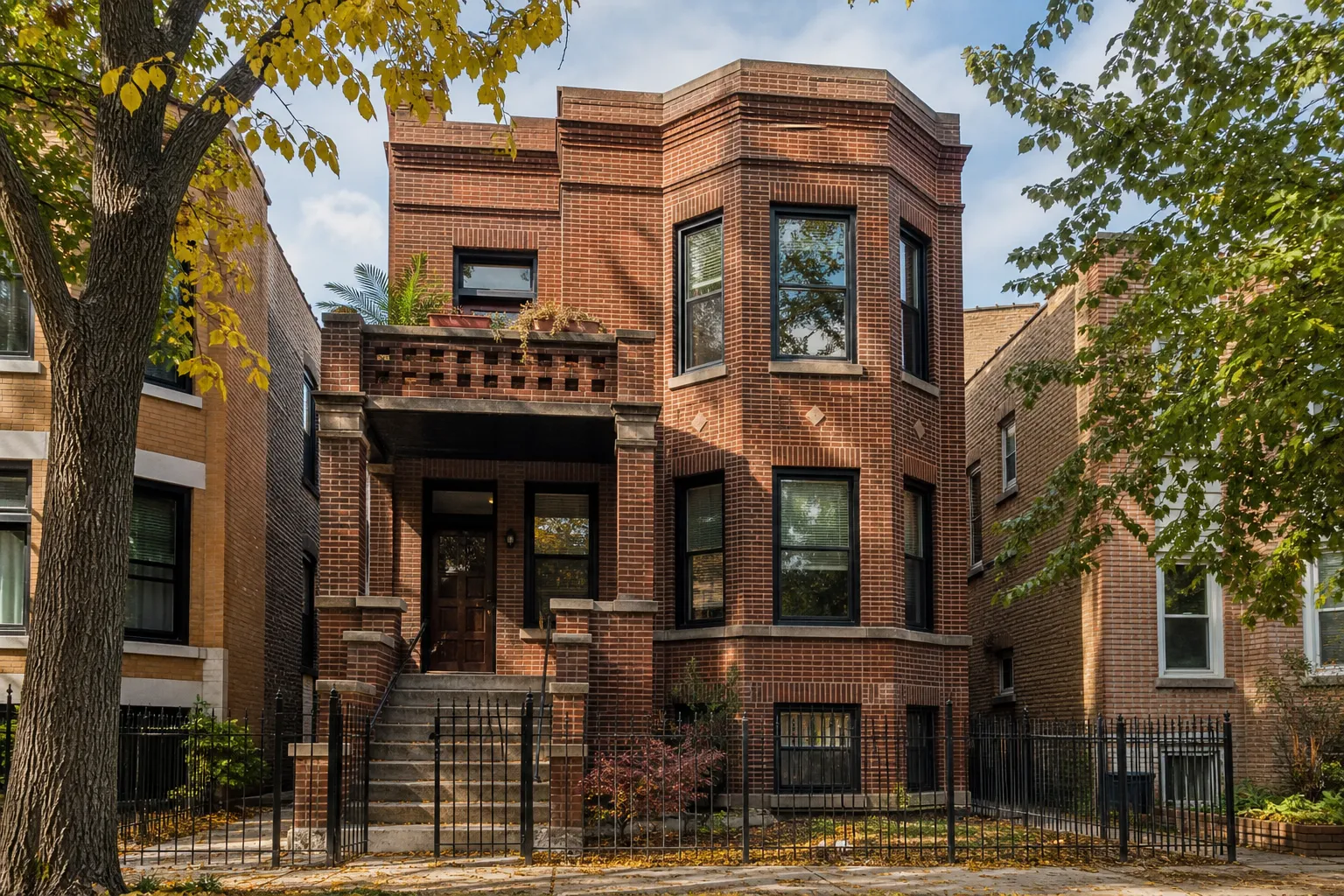
Albany Park is where Chicago’s global kitchen meets brick two-flat math. Walk Lawrence Avenue from Kedzie to Kimball and you pass Korean barbecue joints, Middle Eastern bakeries, taquerias, and phone repair shops in storefronts that have cycled through three cuisines since the 1990s. Behind those commercial strips sit the assets investors actually buy: affordable prewar two-flats and three-flats on residential blocks where a full rehab still pencils at a basis that Logan Square left behind a decade ago. Hard money loans in Albany Park fund the gap between a seller who needs cash in ten days and a bank that will not touch a building with a 1960s boiler and a basement apartment that never pulled a permit.
The 60625 ZIP is routinely cited among the most linguistically and ethnically diverse in the city — and that diversity shows up in tenant demand. Investors who stabilize renovated units here often lease to hospital workers from Swedish Covenant, families tied to Northeastern Illinois University, and commuters who want Brown Line access without paying North Center rents. That renter pool supports BRRRR holds and flip exits to owner-occupant duplex buyers who want a mortgage payment lower than a Lincoln Square equivalent.
Lawrence Avenue and the blocks behind it
Lawrence is Albany Park’s commercial spine — not as polished as Milwaukee Avenue in Logan Square, but dense with daily foot traffic and bus lines connecting to the Brown Line at Kimball and Kedzie. Smart operators distinguish between Lawrence frontage mixed-use (higher basis, trickier commercial lease comps) and alley-access two-flats one or two blocks north or south where acquisition prices stay in bands that still leave room for rehab profit.
Typical 2026 acquisition ranges for value-add investors:
| Asset type | Buy range | Rehab band | Stabilized gross rent |
|---|---|---|---|
| Two-flat (heavy) | $260K–$340K | $75K–$130K | $2,800–$3,600/mo |
| Three-flat (moderate) | $320K–$420K | $110K–$175K | $4,500–$5,800/mo |
| Bungalow + garden unit | $240K–$310K | $60K–$95K | $2,400–$3,100/mo |
Albany Park’s affordable two-flat inventory is the draw. Unrenovated buildings with shared utilities, outdated kitchens, and deferred tuckpointing trade regularly off MLS and at attorney closings. Competition is real — local operators know the neighborhood — but you are not bidding against every out-of-state fund that discovered Logan Square.
Who funds deals here — and how fast
Albany Park sellers are often long-term owners, estates, or landlords tired of managing deferred maintenance. They respond to proof of funds and a credible close date, not a pre-approval letter from a lender who will flag the illegal basement unit in week three. Hard money lenders in Chicago underwrite the asset and your exit, not a W-2 that may not reflect your portfolio income.
Jaken Finance Group structures Albany Park deals with:
- Up to 90% loan-to-cost on acquisition
- 100% of documented rehab in milestone draws
- 12–18 month interest-only terms, typically 9.25%–12.75% depending on experience and leverage
- 7–10 business day closes with a complete file
Pair acquisition with our fix and flip loans in Chicago for resale exits, or plan a hold exit into DSCR loans in Chicago once both units are leased at market rents. Operators running multiple Northwest Side projects sometimes use bridge loans in Chicago to carry an Albany Park acquisition while waiting for a Logan Square refi to fund.
Worked example: Spaulding Avenue two-flat BRRRR
An investor targeted a brick two-flat on a residential block south of Lawrence — seller relocating, both units tenant-occupied at rents $400 below market. The building needed a new electrical panel, two kitchen and bath gut rehabs, tuckpointing at the rear elevation, and RLTO-compliant lease renewals before stabilization.
Acquisition: $285,000 Rehab budget: $98,000 — electrical, plumbing updates on both stacks, two kitchens, two baths, refinished hardwood, exterior masonry Total project cost: $383,000 Financing: 90% LTC — $256,500 on purchase, $98,000 rehab holdback Close timeline: 9 business days Stabilized rents: Upper 3BR $1,650/mo, lower 2BR + den $1,450/mo — $3,100/mo gross Refi exit: DSCR at 75% LTV on $410,000 appraised value — permanent debt around $307,500, returning most acquisition equity for the next Albany Park or Avondale deal
The deal worked because renovated two-flat rents within six blocks of Lawrence supported the appraisal — not because the purchase was a fire sale. Albany Park rewards investors who model realistic rents, not Zillow peaks from neighborhoods a mile east.
Albany Park diligence that protects margin
Diversity of building stock means diversity of problems. Before you waive inspection:
- Pull Department of Buildings violations and permit history — basement conversions and enclosed porches are common.
- Verify flood zone and drainage on blocks near the North Branch of the Chicago River.
- Confirm zoning if any commercial use is involved on Lawrence frontage.
- Budget for separate electric meters if the seller never split utilities — tenants expect it at market rent.
Contractor selection matters on the Northwest Side. Crews who work Albany Park regularly understand Chicago’s inspection cadence and the brick-and-limestone stock on these blocks. Investors who import a suburban flip team often burn timeline on permit resubmissions.
Frequently asked questions
Is Albany Park a good first Chicago neighborhood for investors?
Many first-time Cook County operators start here or in Avondale because basis is lower than Logan Square while rent comps after rehab are respectable. The margin for error is wider at $350K all-in than at $500K — but you still need contractor discipline and RLTO awareness.
How does Albany Park compare to Logan Square for flips?
Logan Square commands higher resale prices but thinner spread between buy and sell. Albany Park flips often target $45K–$75K gross profit on a two-flat where total project cost stays under $400K. Logan Square may show a larger dollar profit but requires more capital at risk. See our Chicago hard money hub for metro-wide context.
Can I finance a Lawrence Avenue mixed-use building with hard money?
Yes, when the residential units support the debt and any commercial space has a credible lease or value-add plan. Mixed-use underwriting takes longer — bring rent rolls and photos early so we can issue proof of funds on your timeline.
Underwriting an Albany Park two-flat on Lawrence or the side streets behind it? Find the right loan for your deal or call (833) 264-7776 for a proof-of-funds letter before your next offer.
Albany Park — Korean corridor comp file gates (2026)
Albany Park files fail when Lincoln Square greystone comps price Kimball corridor two-flat ARV, or when basement moisture on 1920s stock is absent from draw one. Lawrence Avenue retail adjacency does not import Logan Square three-flat premiums.
- Basis: $265K–$360K two-flat — $285K acquisition band on heavy rehab
- MEP: Shared boiler and knob-and-tube — panel line before drywall
- RLTO: Month-to-month tenants need compliant notice before demo sequencing
- Dual exit: BRRRR at $2,800–$3,500/mo gross or O-O flip to Blue Line buyers
Bridge 8.99%–13.5% IO · Chicago rankings · (833) 264-7776.
Underwriting anchor: An investor targeted a brick two-flat on a residential block south of Lawrence — seller relocating, both units tenant-occupied at rents $400 below market. The building needed a new electrical panel, two kitchen and bath gut rehabs, tuckpointing at the rear elevation, and RLTO-compliant lease renewals before stabilization. — RLTO-compliant lease renewals before stabilization on Albany Park Chicago before IO term (parcel-specific comps only).